
There’s a reason bulk bags have become a staple in industries ranging from construction to food processing. They hold a tremendous amount of material, they’re relatively inexpensive compared to rigid containers, and they’re far easier to handle and store when empty. But walking into a purchase without understanding the basics can lead to costly mismatches between the bag and the job. Here’s what you need to know before you buy.
What Are Bulk Bags?
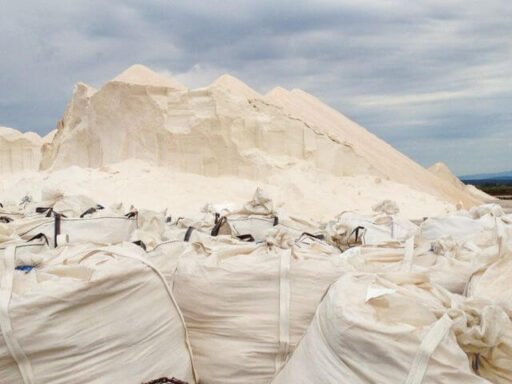
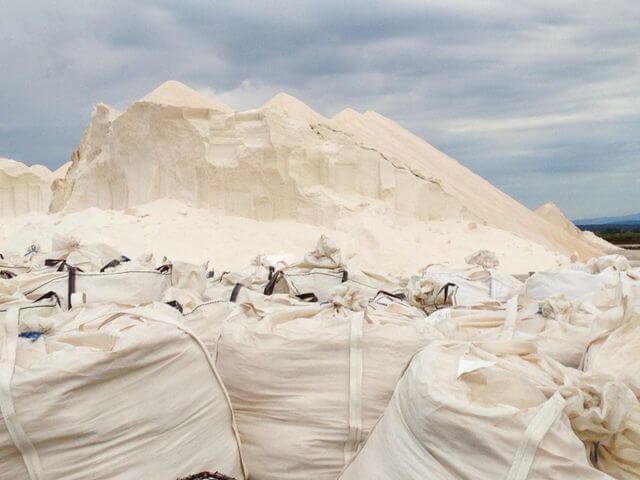
Bulk bags, also commonly called FIBCs (Flexible Intermediate Bulk Containers), super sacks, or jumbo bags, are large woven polypropylene bags designed to store and transport dry, flowable materials in high volumes. A standard bulk bag holds anywhere from 1,000 to 4,000 pounds, depending on the construction, making them one of the most efficient ways to move large quantities of material in a single lift.
They’re used across agriculture, chemical manufacturing, construction, mining, food processing, and pharmaceuticals, basically any industry that deals with bulk dry materials on a regular basis.
Common Types of Bulk Bags and What Sets Them Apart
Type A, B, C, and D Bulk Bags
The type classification for bulk bags relates to static electricity protection, which matters significantly when handling flammable or combustible materials.
Type A bags offer no static protection and are only appropriate for non-flammable materials. Type B bags have a low breakdown voltage that helps prevent incendiary sparks, but don’t fully dissipate static charge. Type C bags are conductive and must be grounded during filling and emptying, making them the right choice for flammable powders and combustible environments. Type D bags dissipate static safely without requiring grounding, which makes them a practical option when grounding isn’t always feasible in the work environment.
Single-Trip vs. Multi-Trip Bulk Bags
Single-trip bags are designed for one use and are the more economical choice when return logistics aren’t part of the equation. Multi-trip bags are constructed with heavier fabric and reinforced stitching to withstand repeated filling, emptying, and handling cycles. If your operation cycles through containers regularly and manages a return loop, multi-trip bags typically deliver better value over time despite the higher upfront cost.
Key Bulk Bag Specs to Understand Before You Purchase
Every bulk bag has a stated Safe Working Load, which is the maximum weight it’s rated to carry. Most bulk bags are manufactured with a safety factor ratio of 5:1 or 6:1, meaning a bag with a 2,000-pound safe working load has actually been tested to hold five or six times that amount before failure. Always match the safe working load to your heaviest fill weight and never exceed it, regardless of the safety factor.
Bulk bags can be fitted with inner liners for moisture-sensitive or fine materials that would otherwise sift through the woven fabric. Fill and discharge spout configurations vary widely, so it’s worth confirming the spout style works with your filling equipment and discharge setup before placing an order. A bag that doesn’t interface cleanly with your equipment creates bottlenecks that slow down your entire operation.
Are Used Bulk Bags a Safe Option?
When you buy bulk bags online, you’ll come across both new and used options. Used bulk bags can be a legitimate choice for certain non-critical applications, but they require careful inspection. Check the fabric for tears, worn seams, and UV degradation. Confirm the lifting loops are fully intact with no fraying. And always verify what the bag previously held to rule out contamination risk for your materials.
Stock Up on Bulk Bags Without Overpaying
Packaging costs eat into margins fast, and there’s no reason to keep absorbing that hit when a smarter option exists. Container Exchanger is one of North America’s most active marketplaces for new and used industrial containers and bulk packaging, including a wide selection of bulk bags across sizes, types, and configurations.
Whether you’re sourcing Type C bags for a chemical facility or multi-trip bags for an agriculture operation, the inventory is there, and the savings are real. Head to Container Exchanger right now, browse the bulk bag listings, and make your next packaging order the one that finally stops costing you more than it should.