
What will property management software look like in the coming years?
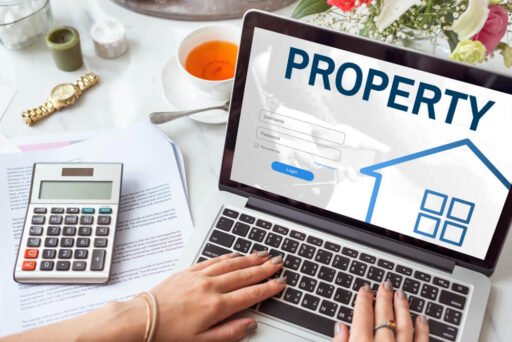
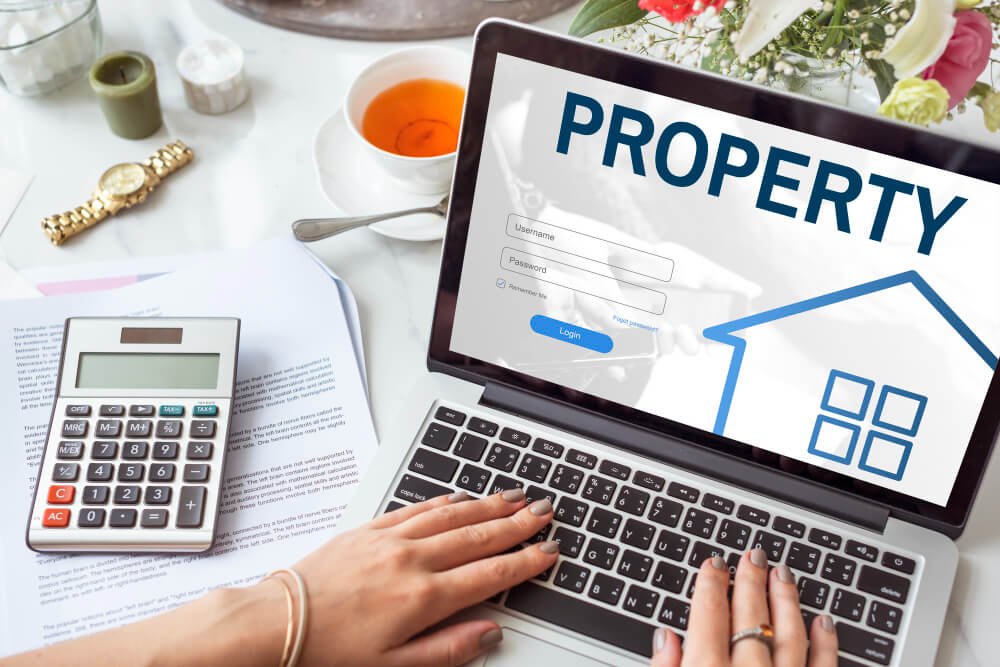
It will help property owners and managers complete daily work faster, keep records clear, and make better decisions with less manual effort. AI, automation, and connected workflows will make routine tasks more organised and easier to manage.
Property work includes rent collection, maintenance updates, tenant communication, document storage, and financial tracking. When these tasks sit in one system, the daily routine becomes more structured. Managers can see what needs attention and act at the right time without checking many files or messages.
AI Will Support Better Daily Decisions
AI will help property managers understand information in a clear and useful way. It can study patterns, organise records, and show important details at the right moment. This can help managers plan their day with more confidence.
Smarter Rent And Payment Tracking
Future systems may study payment history and remind managers about upcoming rent dates. They can also sort payment records and create simple reports. This makes it easier to understand monthly income and keep accounts updated.
A manager may also receive useful alerts when a payment is completed or when a receipt needs to be shared. These small updates can save time during busy working days. They also make communication clearer for both owners and tenants.
Clearer Maintenance Planning
AI can help sort maintenance requests based on type, date, and priority. A repair request for plumbing can go to the right person, while a routine service request can be planned for a suitable day. This keeps the process calm and organised.
Past repair records can also help managers plan regular upkeep. For example, if an appliance needs service at fixed intervals, the system can remind the manager before the date arrives. This supports better care of the property.
Automation Will Reduce Repeated Manual Work
Automation will take care of many regular actions that follow the same pattern each month. It can send reminders, update records, and prepare documents at set times. Managers can then spend more time on planning and communication.
Faster Tenant Communication
Automatic messages can share rent reminders, maintenance updates, visit schedules, and document notices. The message can reach the tenant at the right time, saving the manager from typing it again.
Good systems will still allow managers to add a personal note when needed. This balance keeps communication warm and useful. It also helps tenants stay informed about what is happening in their home.
Simple Document Management
Property management creates many documents, such as lease papers, payment receipts, inspection notes, and maintenance records. Automation can save these files in the correct section and link them with the right property or tenant.
A platform such as TenantCloud can fit naturally into this type of digital routine by keeping common property tasks in one place. The main value comes from having clear records that are easy to find during regular work.
Smart Workflows Will Connect Every Task
A smart workflow links one action with the next action. When a tenant sends a request, the system can record it, inform the manager, assign the task, and update the tenant after completion. This creates a smooth flow from start to finish.
One Process From Request To Completion
Imagine a tenant reporting a small repair through an online form. The request can enter the system, reach the correct service person, and appear on the manager’s task list. After the work is complete, the record can update automatically.
This type of process saves many small steps. It also gives everyone a clear view of the current status. Managers can follow the work while using fewer calls and messages.
Better Team Coordination
Many properties involve owners, managers, accountants, service workers, and tenants. Smart workflows can give each person the information related to their role. This keeps communication direct and organised.
A service worker may see the repair details and visit time. The manager may see cost and progress. The owner may receive a short update after the task is finished. Each person gets useful information in a simple form.
Mobile Access Will Make Work More Flexible
Property managers often move between offices, buildings, and meetings. Mobile access allows them to check updates and complete tasks from different places. This supports a more practical daily routine.
Quick Updates From Any Location
A manager can record an inspection note while standing inside the property. Photos, comments, and dates can be saved at the same time. This keeps the information fresh and accurate.
Tenants can also send requests, view updates, and check payment details through a mobile device. Simple access makes regular communication more comfortable for everyone.
Real-Time Information For Owners
Owners often want a clear view of income, expenses, occupancy, and maintenance work. Future software can provide live summaries in simple language. This helps owners understand what is happening while the information is still current.
Managers can also share selected updates with owners while keeping private tenant details protected. This creates a clear and respectful way to share information.
Data Security Will Remain An Important Part
Property records include personal, financial, and legal information. Future systems will continue using strong security methods to protect these details. Clear access settings will help managers decide who can view or edit each record.
Role-Based Access For Safer Work
Different users need different levels of access. An accountant may need payment records, while a maintenance worker may only need repair details. Role-based access keeps each user focused on the information needed for the job.
Regular backups can also keep records available when managers need them. Secure login methods and activity records can add another layer of protection.
Accurate Records For Better Planning
Well-organised data helps managers understand how a property is performing. They can review rent income, repair costs, tenant requests, and occupancy details in one place.
Accurate records also support planning for future months. Managers can prepare budgets, arrange maintenance, and schedule inspections with clear information.
The Future Will Focus On Simple And Connected Work
The next stage of property management software will be centred on useful support for daily tasks. AI will help with decisions, automation will manage repeated actions, and smart workflows will connect people and processes.
Technology That Works With Human Judgment
Software can organise information and complete routine steps, but people will continue making the main decisions. Property management depends on communication, care, timing, and practical thinking. Technology can support these skills by keeping work clear and well planned.
The best systems will feel natural to use. They will help managers complete work with fewer steps. This can make property management more organised for owners, managers, and tenants.
Conclusion
Property management is moving towards a more connected and organised way of working. Smart tools can support rent tracking, maintenance, communication, records, and planning in one clear process. The main benefit is simple: people can spend more time on thoughtful service, clear communication, and better property care.