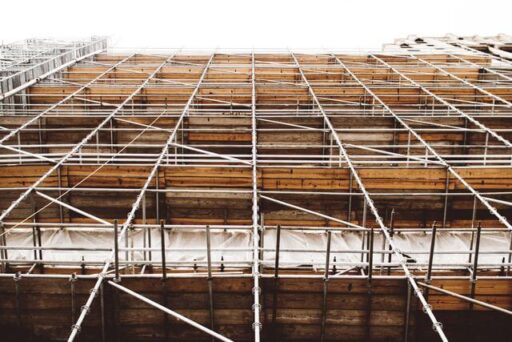
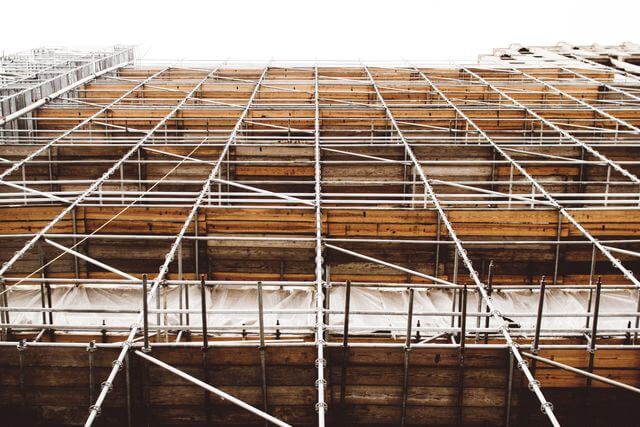

When designing or implementing any major construction or overhaul venture, safety and stability are paramount. Birdcage scaffolding provides a secure, wide-area platform that is ideal for internal work like ceiling installations or painting.
A structural design of this type mandates thorough planning and knowledge of load-bearing needs. This article will tell you what you need to do to have a perfect and safe planning process.
1. Assess the Internal Work Area
The initial approach is to complete a systematic survey of the environment on which the scaffolding will be placed. You need to measure the floor-to-ceiling height accurately and check the levelness of the ground surface. Finding any fixed obstacles or fragile flooring will guide you in determining the best placement for the base plates.
The maximum weight that the structure will need to support, including personnel and materials, must also be considered. Your safety plan and material list will therefore be based on this initial evaluation. Knowing your environment early on helps in avoiding unexpected delays once the assembly process starts.
2. Design the Load-Bearing Structure
To prevent unevenness, you must follow your equipment supplier’s or structural engineer’s guidelines for standard, ledger, and transom spacing that distributes weight. Using high-quality birdcage scaffolding solutions ensures that all components meet the required safety standards.
An adequate number of internal braces shall be incorporated to help keep the structure from swaying or tipping. Make sure every connection point is capable of handling the load planned and does not give way. The only way to ensure the safety of everyone who uses the platform is a solid design.
3. Organize Your Material Inventory
After your design plan is completed, create a detailed list of all the tubes, boards, and couplers you will need. Make sure to check the equipment for signs of wear, damage, rust, or cracks before it arrives on site. Poor quality materials are a major safety risk; they can cause massive structural failure.
Keep plenty of base plates and timber sole boards to protect the floor and distribute the load. Having everything organised and ready for assembly will ensure the build phase goes much faster and more smoothly.
4. Establish a Secure Assembly Zone
You shall clear away any debris and unauthorised persons from the work area before any tubes are lifted. Put up signage and barriers so that people can’t walk under the area where the scaffold is being built. This preserves the safety of both the assembly crew and other workers who could be in the building.
Make sure the assembly team has all the PPE as required, including safety hats and harnesses. A clean, organised space allows the team to concentrate solely upon precision-built work. Safety begins the moment an initial component hits the ground.
5. Assemble the Base and First Lift
Begin your assembly by arranging the sole boards and base plates according to your measured plan. The first “lift” is the most important because it dictates where the whole structure should be level and square. Use the spirit level frequently so that at the outset, all standards are perfectly vertical.
Place the ledgers and transoms at the correct height, creating a stable frame for work ahead. With your solid base in place, you can confidently ascend the first lift because it is flat and stable. Ground-level precision avoids compounding errors as the structure reaches higher elevations.
6. Install Working Platforms and Guardrails
When you are working towards the height you want to be, you have to install the scaffold boards to form a solid, gap-free base. Toe-boards and double guardrails around the perimeter are imperative to prevent falls and dropped objects. Those safety features are non-negotiable measures that have to be installed before anyone gets to work on the deck.
Platforms should be large enough to make the transfer between workers and their tools as convenient as possible. Ensure that all boards are secured and cannot slide or tip. Only a safe working environment can efficiently produce high-quality work.
Maintaining Your Scaffolding Safety
A birdcage scaffold is a multifaceted structure that requires ongoing attention throughout the duration of your project. Once in a while, an expert can look for signs of loose couplers or swaying boards. Always keep the working decks clean, avoiding excess materials and debris.
You can keep your project on track and your team safe with a well-thought-out plan and timely maintenance. Every build is a successful journey from an excellent plan to the completion of a safe