
Product damage during accumulation can lead to significant financial losses and production inefficiencies, affecting the bottom line and customer satisfaction. So, how can we best reduce product damage in high-speed accumulation?
The most effective way to reduce product damage in high-speed accumulation is to implement zero-pressure accumulation technology with electronic controls that maintain precise spacing between products and automatically adjust conveyor speeds to prevent product-to-product contact.
While this solution is proven to work, there are several other essential factors to consider when reducing product damage during accumulation. These additional considerations can distinguish between a marginally effective system and one that virtually eliminates product damage, so it’s worth exploring the complete picture.
What Other Factors Affect Product Damage During Accumulation?
Several key elements work together with zero-pressure accumulation to create a comprehensive damage prevention system. The condition and material of conveyor belting play a crucial role, as worn or inappropriate surfaces can cause product scratching or marking. Similarly, proper side guide positioning and materials help prevent product scuffing during accumulation.
Environmental factors also significantly impact product integrity. Temperature and humidity control in the accumulation area can affect product surface conditions and friction coefficients. Proper lighting enables better visual monitoring of accumulation zones and faster response to potential issues.
How Does Proper System Design Impact Product Protection?
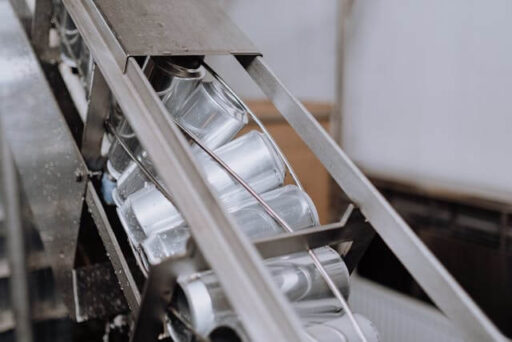
The layout and configuration of automated buffering tables are fundamental to damage prevention. For a system to be effective, zones must be sized precisely to accommodate the specific product length plus a safety margin, preventing “shingling” or crowding. Implementing innovative accumulation solutions for high-speed production lines ensures that these design parameters are met with precision, using patented technology to handle products without back pressure.
Beyond the table layout, transition points between conveyor sections require special attention. Minimal elevation changes, properly sized gaps, and appropriate transfer methods all contribute to smooth product flow. Additionally, implementing curved sections with appropriate radii helps maintain product orientation and reduces stress on items during accumulation.
What Role Does Speed Control Play In Preventing Product Damage?
Speed management is the most critical operational factor in damage prevention. The key is to maintain consistent speeds throughout the system while having the ability to make precise adjustments when needed. This includes both the primary conveyor speed and the deceleration rates during accumulation.
Modern control systems can create “soft starts” and “soft stops” that gradually change speeds to prevent sudden movements. These systems can also automatically adjust speeds based on upstream and downstream conditions, creating a dynamic response to changing production demands while maintaining product protection.
How Can Monitoring Systems Help Reduce Accumulation Damage?
Advanced monitoring systems serve as the eyes and ears of accumulation zones, providing real-time feedback on system performance. Sensors placed strategically throughout the accumulation area can detect product spacing, orientation, and potential jam conditions before damage occurs. These systems can automatically alert operators or trigger corrective actions when problems are detected.
Data collected from monitoring systems also enables predictive maintenance and system optimization. By analyzing patterns in product flow and accumulation behavior, operators can identify potential problem areas before they lead to damage incidents. This proactive approach helps maintain optimal performance and reduce unexpected downtime.
What Maintenance Practices Are Essential For Damage-Free Accumulation?
Regular maintenance prevents product damage, yet it’s often overlooked in busy production environments. A comprehensive maintenance schedule should include daily inspections of wear points, regular cleaning of sensors and conveyor surfaces, and periodic adjustment of guide rails and alignment components.
Preventive maintenance should focus mainly on components that directly contact products. This includes checking belt tracking, tensioning, and wear patterns and inspecting and replacing worn rollers or bearings before they can cause damage. Additionally, regular calibration of speed controls and sensors ensures the system maintains optimal performance parameters.
Teams should document all maintenance activities and any observed issues, creating a historical record that can help identify patterns and predict potential problems before they impact product quality. This documentation also helps ensure consistency in maintenance procedures across different shifts and personnel.
Taking Action To Protect Your Products
The best way to start implementing these damage-reduction strategies is to conduct a thorough assessment of your current accumulation system, focusing specifically on the condition and performance of your zero-pressure accumulation components. Schedule a comprehensive inspection with your maintenance team or a qualified conveyor specialist who can evaluate your system’s pressure points, speed controls, and monitoring capabilities, then develop a prioritized action plan based on their findings. This evaluation will provide you with a clear roadmap for implementing the most impactful improvements for your specific operation.