

In 2026, the volume of incoming and outgoing parcels has reached levels that many businesses never anticipated. From hybrid workplaces to e-commerce-driven supply chains, organizations are handling more deliveries than ever before. What was once a back-office task has evolved into a critical operational function. Companies that fail to modernize their processes are quickly discovering inefficiencies, lost assets, and frustrated employees.
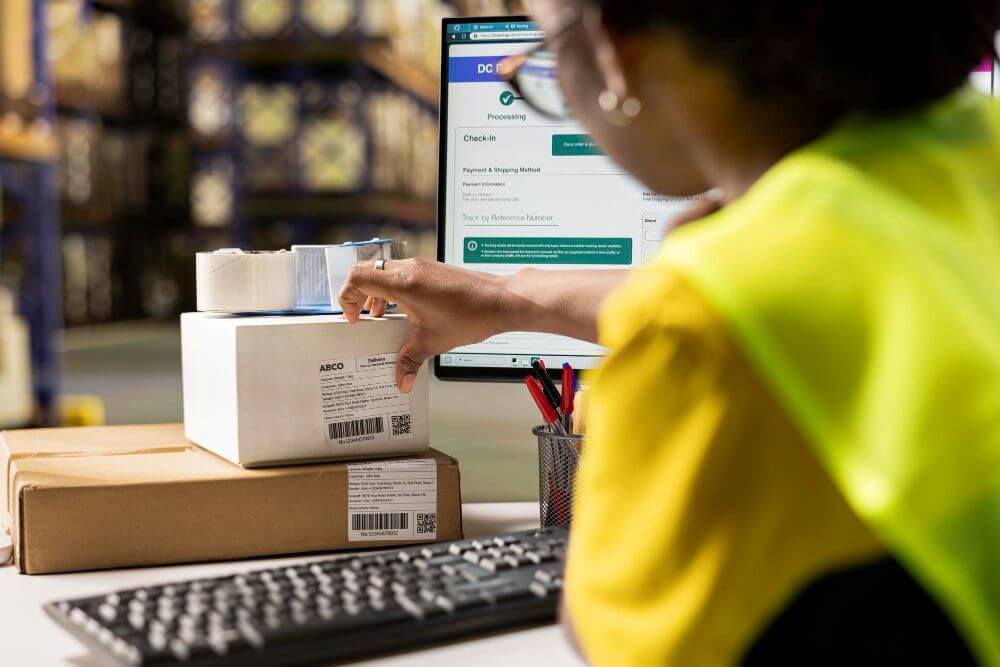
One of the most impactful upgrades organizations are making is adopting advanced parcel management software solutions that bring visibility and control to every delivery entering the workplace.
The Shift from Manual to Intelligent Systems
Traditional mailrooms relied heavily on manual logging, spreadsheets, and paper-based tracking. These methods may have worked when parcel volumes were low, but they cannot keep up with today’s demands. Delays, misplaced packages, and lack of accountability are common issues.
Modern systems digitize every step of the process. From package intake to final delivery, each parcel is tracked in real time. Notifications are automated, and audit trails ensure accountability.
Organizations are no longer asking if they need automation. They are asking how quickly they can implement it.
This shift is not just about convenience. It is about operational resilience.
Key Capabilities Driving Transformation
Parcel management tools now offer a range of capabilities that go far beyond simple tracking. These features are redefining how businesses manage internal logistics.
| Capability | Business Impact |
| Real-time tracking | Eliminates lost or delayed packages |
| Automated notifications | Reduces manual communication workload |
| Chain of custody logging | Improves accountability and compliance |
| Analytics and reporting | Enables data-driven decisions |
| Integration with existing systems | Streamlines operations across departments |
These capabilities allow businesses to treat parcel handling as a strategic function rather than an administrative burden.
Enhancing Workplace Efficiency
In large offices, universities, and residential complexes, the mailroom often becomes a bottleneck. Staff spend hours sorting, notifying recipients, and managing inquiries. This inefficiency compounds as parcel volumes increase.
By implementing intelligent mailroom management software systems, organizations can significantly reduce manual workloads. Automated workflows ensure that parcels are logged instantly, recipients are notified immediately, and pickups are recorded digitally.
The result is a smoother, faster process that benefits both staff and end users.
Efficiency gains in the mailroom often ripple across the entire organization.
When employees spend less time chasing packages, they can focus on higher-value tasks.
Supporting Hybrid and Flexible Work Models
The rise of hybrid work has introduced new challenges in parcel delivery. Employees are not always on-site to receive packages, and businesses must accommodate flexible schedules.
Parcel management software addresses this by enabling secure storage, digital notifications, and flexible pickup options. Some systems even support locker integrations, allowing recipients to retrieve packages at their convenience.
This flexibility is essential in modern workplaces where predictability is no longer guaranteed.
Improving Security and Compliance
Security is a growing concern, especially in industries that handle sensitive materials or high-value goods. Manual processes leave room for errors, theft, or misplacement.
Digital systems provide a clear chain of custody for every parcel. Each interaction is logged, and access controls ensure that only authorized individuals can handle packages.
This level of transparency not only improves security but also helps organizations meet compliance requirements.
Data as a Strategic Asset
One of the most overlooked benefits of parcel management systems is the data they generate. Businesses can analyze delivery volumes, peak times, and operational bottlenecks.
This data enables smarter decisions, such as optimizing staffing levels, redesigning workflows, or negotiating better terms with carriers.
Data-driven mailroom operations are becoming a competitive advantage, not just a convenience
Organizations that leverage this data gain insights that were previously impossible to obtain.
Scaling with Business Growth
As companies grow, so do their logistical challenges. What works for a small office will not scale to a multi-site enterprise.
Parcel management software is designed to scale alongside the organization. Whether handling hundreds or thousands of packages daily, the system maintains efficiency and accuracy.
This scalability is particularly important for industries like property management, higher education, and corporate campuses.
Reducing Operational Costs
While implementing new software requires an initial investment, the long-term cost savings are significant. Businesses reduce labor costs, minimize lost packages, and improve overall efficiency.
Automation also reduces the need for temporary staffing during peak periods, which can be a major expense.
Over time, these savings often outweigh the cost of implementation, making parcel management software a financially sound decision.
The Future of Mailroom Operations
Looking ahead, parcel management systems will continue to evolve. Artificial intelligence, predictive analytics, and deeper integrations with supply chain platforms are already on the horizon.
These advancements will further streamline operations and provide even greater visibility into parcel flows.
Businesses that adopt these technologies early will be better positioned to handle future demands.
Final Thoughts
Parcel handling is no longer a minor operational detail. It is a critical component of modern business infrastructure. As parcel volumes continue to rise, organizations must rethink how they manage deliveries.
Investing in advanced software solutions is not just about keeping up. It is about gaining control, improving efficiency, and preparing for the future.
The modern mailroom is no longer a room. It is a system that powers operational success.
Companies that recognize this shift are transforming their operations and setting new standards for efficiency in 2026 and beyond.


