
Whether you operate in retail, wholesale, or e-commerce, fulfillment impacts multiple aspects of your operations, including how customers perceive your brand. For small and medium enterprises (SMEs) in the Philippines, how they handle fulfillment can mean the difference between repeat orders and irrelevance in a booming market.
Most businesses understand the value of efficient fulfillment, but not everyone has the same resources to handle challenges. Many SMEs in the Philippines operate with very limited resources, with practical staffing limitations and gaps in technology adoption. The increasing cost of professional logistics outsourcing has also impacted how economically businesses can fulfill deliveries, especially to addresses in far-flung regions.
Unfortunately, slow fulfillment often leads to a domino effect of issues. Delays can sap your business’s resources and stall cash flow, making it even harder to expand. Thankfully, refining fulfillment is quite doable for most SMEs. And unlike in previous generations, you don’t always need massive technology or infrastructure investments to gain performance increases. Below are seven practical steps for updating your fulfillment operations for today’s demanding markets.
-
Enable Digital Billing and Invoice Payment Online
Your first step must be to minimize the paperwork for payments. Look for SME-friendly tools that let you generate invoices digitally and accept invoice payment online. Make sure the payment tools you choose are like Maya Business, which allows customers to settle bills instantly through local payment cards, e-wallets, and QR Ph codes. This prevents erratic cash flows and reduces the time you spend chasing payments.
-
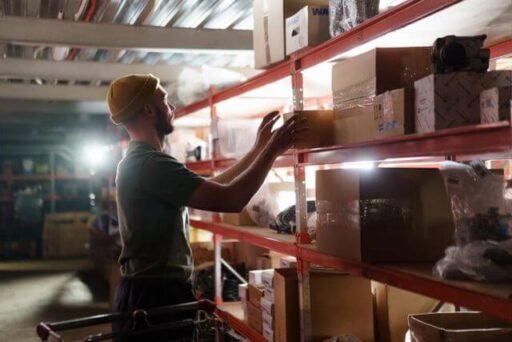
Map the Entire Fulfillment Workflow
Beyond payments, you want to gain full visibility over your order-to-delivery cycle, including the return process. When you start mapping the fulfillment process, you may discover bottlenecks in unexpected places, such as in payment confirmation delays, stock miscounts, or communication gaps between the teams managing your different sales channels and back-end departments. Even small tweaks in payment verification processes or how packing slips are prepared can create measurable improvements, since these fixes tend to impact every order.
-
Create Clear SOPs and Checklists
SMEs often depend on lean teams multitasking to get things done. Unfortunately, without proper training or management, it’s all too easy for critical steps to be skipped, creating cascading delays down the line. Instituting standard operating procedures (SOPs) and checklists helps maintain consistency even when employees take multiple roles in the fulfillment process. SOPs also make onboarding new employees more efficient, which can be of enormous benefit given the country’s increasing job turnover rates.
-
Automate and Integrate Where Possible
Adding small automations can shave off precious minutes from each order while greatly improving accuracy, compared to manual processes. As soon as your SME has the resources, consider investing in an enterprise resource planning (ERP) solution or custom integrations so that data from your invoicing tools, stockrooms, and logistics platforms all flow seamlessly with no copy-pasting required.
A more advanced ERP also opens up new possibilities for efficiency. For example, when an invoice is marked as paid, your system can automatically alert the warehouse and fulfillment teams to prepare the order. The system handles compliance and customer notifications in the background, leaving staff free to focus on the essentials like picking the right items, packing them correctly, and ensuring they reach the customer on time.
-
Select Logistics Partners with Care
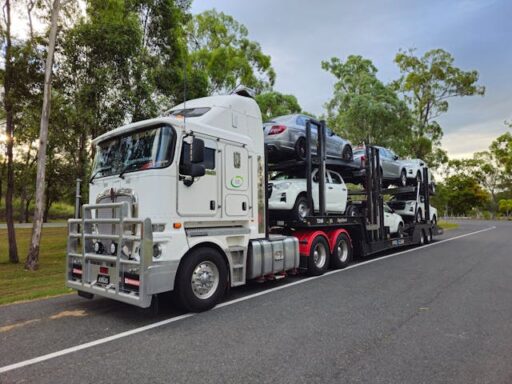
Getting products from your warehouse to customers on a different island remains one of the toughest fulfillment challenges in the Philippines. Depending on who they serve, SMEs should weigh whether to maintain in-house delivery staff or rely on third-party providers.
If you must outsource, negotiate clear terms on pickup times, delivery schedules, and who assumes liability for delays. If you manage logistics internally, make sure routes are optimized, and delivery records are consistently logged. Whether you use one method or a mix of logistics options, focus on dependability as your primary metric.
-
Keep Customers Informed in Real Time
Customers are more likely to be patient with delays if they know what’s happening. While customer communications can be automated, your goal should be to preemptively inform customers of anything that could impact their deliveries.
It’s critical to have automatic payment confirmations and offer real-time status updates, but you must also have strong customer support channels to maintain your customers’ trust. These things don’t just mitigate customer anxieties; they also demonstrate the transparency and accountability your business needs to earn word-of-mouth and repeat sales.
-
Measure and Improve Performance
Work with your fulfillment teams to monitor key metrics to understand where improvements are needed. Compare these numbers against customer feedback to capture the full picture. Do this periodically to ensure your fulfillment processes always remain aligned with customer expectations.
Automate, Optimize, and Grow
Refining your fulfillment won’t be easy, but it’s a necessary step for any SME that wants to compete with larger market players. Your biggest, most popular competitors are already automating everything from payments to customer service, and you’ll want to do the same to match their capabilities. Fortunately, with all the accessible options available, you can start small and focus on steady improvements. With the right technology and logistics partners, your fulfillment process will soon become a real driver for market success.