
When a plumbing issue arises at home, knowing whether to call an emergency Plumber or a regular Plumber can save time, money, and stress. Burst pipes, severe leaks, and other urgent situations require immediate attention, while routine maintenance or minor repairs may not. Understanding the roles and expertise of each type of Plumber is essential for making the right decision. This article will guide you through the nuances of emergency and regular plumbing services, helping you choose the best option for your specific situation.
Emergency Plumbing Services Explained
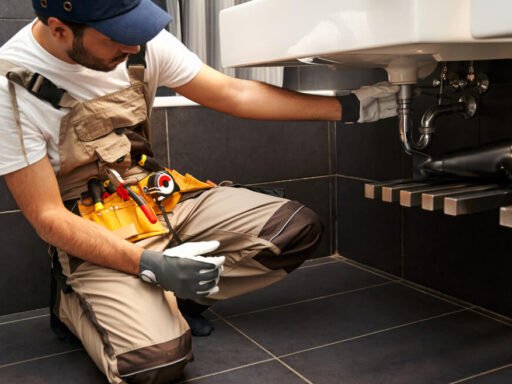
An emergency Plumber is available 24/7 to handle urgent plumbing issues that cannot wait. These professionals are equipped to deal with a wide range of crises, such as burst pipes, major leaks, and sewage backups. They often arrive with specialized tools that allow them to quickly assess and resolve problems, mitigating damage to your property. For instance, a Smart Home Integration Specialist might recommend integrating sensors that alert you to leaks and help prevent further damage. According to the American Society of Home Inspectors, quick intervention can significantly reduce repair costs (Source: ASHI, 2023).
Emergency Plumbers are trained to work under pressure and provide rapid solutions. They are familiar with local emergency protocols and often have a network of resources to draw upon. This expertise ensures that even the most complex issues are handled efficiently, minimizing disruption to home and family life.
Regular Plumber Duties and Responsibilities
A regular Plumber, on the other hand, handles non-urgent tasks like scheduled maintenance, installation, and routine repairs. Their responsibilities may include tasks such as installing new fixtures, conducting an Energy Efficiency Rating (EER) assessment to ensure appliances are running optimally, and performing Childproofing Compliance Checklist reviews for families with young children. These services are crucial for maintaining the overall health of your home’s plumbing system.
Regular Plumbers are often involved in preventive measures that help avoid future emergencies. They conduct inspections that adhere to Fire Safety Inspection Standards, ensuring that plumbing systems meet necessary safety regulations. By scheduling regular check-ups, you can catch potential issues before they escalate, saving both time and money in the long run.
Key Differences Between Emergency and Regular Plumbers
The primary difference between emergency and regular Plumbers lies in their availability and the urgency of the services they provide. Emergency Plumbers are available around the clock, ready to address critical issues that could lead to significant damage if left unattended. They often charge a premium for their immediate response and specialized skills.
In contrast, regular Plumbers typically operate during normal business hours and are scheduled for less urgent tasks. Their services are generally more affordable and planned in advance. For example, if you need someone to assess your home’s Indoor Air Quality Monitoring System as part of a regular maintenance routine, a regular Plumber would be the right choice.
Another key difference is the range of tools and techniques they use. Emergency Plumbers are prepared to tackle complex problems with advanced equipment, while regular Plumbers focus on maintaining and enhancing existing systems using standard tools.
Choosing the Right Plumber for Your Needs
Deciding whether to call an emergency Plumber or a regular Plumber depends on the nature and urgency of the issue. If you have a sudden, severe problem, such as a flooded basement, it’s wise to contact an emergency Plumber immediately. On the other hand, for non-urgent issues like a dripping faucet or a planned DIY renovation, a regular Plumber can provide the necessary expertise.
It’s also beneficial to have a relationship with a reliable plumbing service that can handle both emergency and routine needs. This ensures continuity and familiarity with your home’s systems, which can be particularly important when integrating advanced features like home automation protocols or sustainable landscaping practices.
Conclusion
Choosing between an emergency Plumber and a regular Plumber requires a clear understanding of the problem’s urgency and complexity. Both professionals offer valuable services tailored to different needs. Keeping contact information for both types of Plumbers ensures you are prepared for any situation, safeguarding your home and family’s comfort and safety.