
A buyer often makes a decision before speaking to a sales team. That moment starts with what they see. At trade shows and inside retail stores, display systems now shape how people judge a brand, product quality, and even price value. A clean visual setup can stop foot traffic, while a poor display may push visitors away in seconds. This shift explains why fabric frame systems now appear in airports, retail chains, showrooms, and exhibition halls across the world. They do more than hold graphics. They help brands control attention, improve product focus, and create a space people remember after they leave.
Why Visual Display Systems Affect Buyer Decisions
Visual information is processed quickly. The human brain is quicker to process images than text, according to 3M research. That’s important at trade shows where people come and go from booth to booth in a matter of hours. Brands stand out with a clear display wall with strong colour and readable messages, and without any pressure on sales.
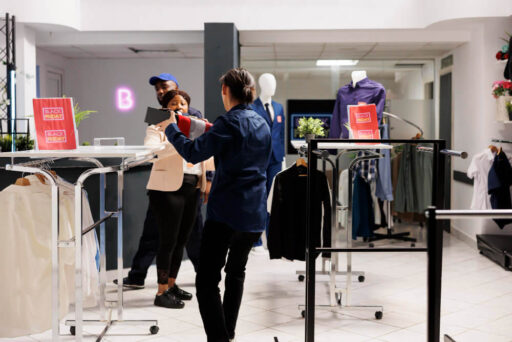
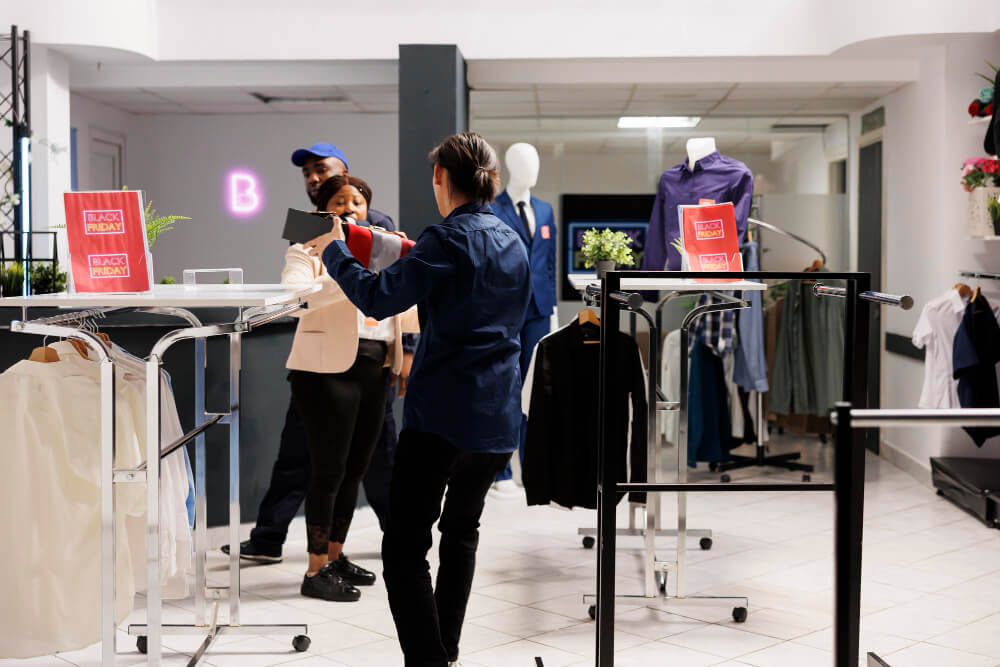
Retail stores are no different. The first few seconds are usually enough to make up your mind whether to enter a store or not. Good graphics, clean walls and product images to the right build trust. Even if products are competitively priced, they can look out-of-date and low quality if they are poorly displayed.
With the varying number of visitors that flow on the walls, lighting and image size, experienced event teams will test booth design prior to big events to ensure success. Simple visual modifications can attract more foot traffic to the booth and interest in the product.
What Makes Fabric Frame Displays Different From Old Sign Systems
Traditional sign boards often use heavy panels, visible screws, and fixed graphics. Fabric frame systems solve many of those problems with a cleaner structure and easier updates. The frame holds stretch fabric graphics tightly, which removes wrinkles and gaps around the edges. The result looks smooth from every angle.
Another major difference is flexibility. Retail teams can replace graphics without changing the full structure. That reduces print waste and lowers long-term costs for seasonal campaigns. Many stores now update wall graphics every few months instead of replacing full sign systems.
LED fabric frames also improve light spread. Unlike spotlights that create shadows, backlit fabric displays spread light evenly across the image. This makes product photos sharper and easier to notice from a distance.
Companies such as segsolution.com focus on modular fabric frame systems because businesses now need portable displays that work across multiple events and store layouts. Lightweight aluminum frames also reduce shipping costs compared to wood or hard-panel systems.
Old sign boards also take longer to install and remove. Fabric frame systems usually need fewer tools and less labor. For retail chains and event companies, that time difference can lower setup costs across multiple locations each year.
How Trade Show Booths Use Fabric Frame Systems
Trade show booths now rely on fabric frame systems to create branded spaces without heavy construction. At large events such as CES in Las Vegas or EuroShop in Germany, modular display walls have become common because brands need faster setup and lower transport costs.
Backlit fabric walls often act as the center point of a booth. Strong lighting helps products stand out across crowded halls. Tech companies use these walls for product launches, while fashion brands use them to create clean photo areas for media teams and visitors.
Ceiling-mounted fabric signs also help visitors find booths from long distances. In busy exhibition centers, high signs improve booth visibility and support visitor flow. Some exhibitors report better traffic after replacing small banner stands with larger suspended fabric systems.
Portable booth kits have also changed event logistics. Many systems now fit into rolling cases and can be assembled without tools. That matters for companies attending several expos each year.
Common booth uses include:
- Full back walls with LED lighting
- Product demo zones
- Meeting spaces with printed partitions
- Hanging signs above aisles
- Double-sided graphics for open floor plans
Experienced exhibitors often keep one frame system and swap graphics for each event. This approach reduces waste and keeps branding consistent across different cities and markets.
How Retail Stores Use Fabric Frames for Sales Support
Retail stores now use visual displays as active sales tools, not simple decoration. Large wall graphics help direct customer attention toward new products, seasonal offers, and high-margin items. Many global fashion and electronics chains now install a seg fabric frame system near entrances because shoppers often decide within seconds whether to continue inside the store.
One major advantage is speed. Store teams can replace fabric graphics without removing the frame structure. This helps retailers update campaigns for holidays, product launches, or clearance sales with lower labor costs. Some stores change graphics every month while keeping the same aluminum frame for years.
Backlit seg fabric frame displays also improve color accuracy. Clothing stores use them to present fabric texture and product detail under soft LED light. Cosmetic brands rely on illuminated frames because skin tones and makeup colors appear cleaner and more natural.
Retail managers also value consistency. The same display design can appear across dozens of locations, helping customers recognize the brand immediately.
Common Business Problems Solved by Fabric Frame Systems
Traditional display systems often create problems during transport, setup, and graphic replacement. Heavy panels increase freight costs and may crack or bend after repeated use. Fabric frame systems reduce those risks because lightweight aluminum parts are easier to move and store.
Setup time is another common issue. Older booth systems may require tools, ladders, and large installation crews. Most fabric frame displays use simple push-fit connections that reduce labor hours.
Retail chains also face problems with outdated branding. Replacing hard panels across multiple stores can become expensive. A seg fabric frame allows businesses to swap printed graphics quickly while keeping the original structure. This lowers long-term display costs and helps stores maintain a fresh visual appearance throughout the year.
Key Features Buyers Compare Before Purchase
Experienced buyers usually compare frame durability first. Strong aluminum construction matters because trade show systems face constant transport and repeated assembly. Weak frames may loosen over time, especially in large booth layouts.
Print quality is equally important. Buyers often check color depth, fabric tension, and image sharpness before placing large orders. A poor-quality print can reduce brand credibility during exhibitions or retail campaigns.
Lighting systems also affect purchase decisions. Backlit seg fabric frame displays should provide even brightness without dark spots or excess heat. Energy-efficient LED systems help reduce operating costs during long events.
Many companies also compare portability, frame depth, and setup speed. Tool-free systems remain popular because event staff can assemble them quickly without outside contractors.