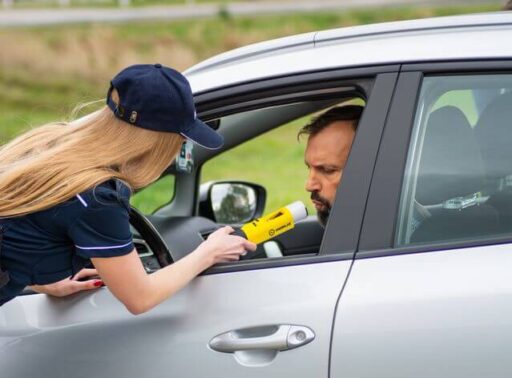
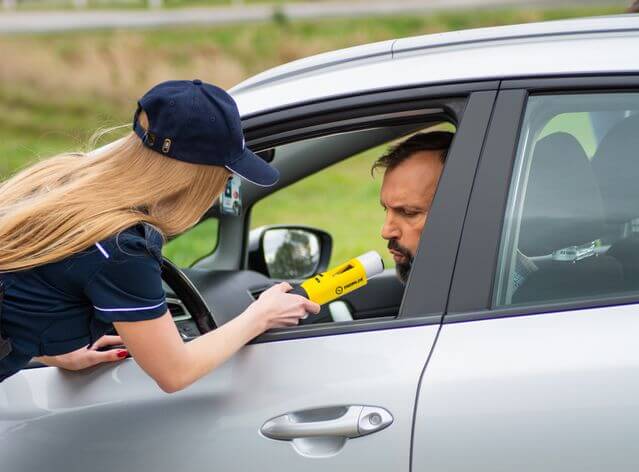

Alcohol breathalysers are a familiar sight for law enforcement, but they perform a much wider duty in present-day safety management. To many households and workplaces, these devices are a crucial early-warning system about the existence of various hidden risks.
Knowing what these tools can show makes your household and department work safer. This article will discuss six hidden hazards that your breathalyser can pinpoint and help you overcome effectively.
1. Residual Alcohol from “The Morning After”
Many think that a good night and some sleep is all it takes to clear their system, but the liver moves alcohol along at a very slow and steady rate. Someone sometimes feels “sober” but is still above the legal limit when it comes to driving or operating machinery.
Morning alcohol breathalysers help you see things from the perspective of what reality truly looks like, as they can prevent an awful day out or workplace crash. Everybody gets up fresh for work in the morning after a wild night out, so this strategy is based on reality.
2. Hidden Alcohol in Common Medications
Numerous popular over-the-counter cough syrups, tinctures, and liquid medicines use a significant amount of ethanol to dissolve active ingredients. When combined with other substances or taken in high enough doses, they can cause a surprising amount of impairment.
A breathalyser will detect this intake and notify the user that they may not be fit for specific tasks. This is vital for individuals who are sensitive or may be unintentionally stacking different medications. Knowing that your “medicine” has put you over a safety threshold means that you make better choices.
3. High-Risk Consumption in “Safety-Sensitive” Roles
For industries such as mining, construction and transport, even the slightest amount of alcohol can be catastrophic. A breathalyser acts as a gatekeeper, ensuring that every person entering a high-risk zone is completely clear of any intoxicating substances. This guards against avoidable harm to yourself, coworkers, and the general public.
Ongoing testing builds a culture of accountability that prioritises safety above all else. It removes the social awkwardness of “guessing” if a colleague is impaired and establishes a fair and objective standard for everyone.
4. Unintentional Impairment from Mouthwashes
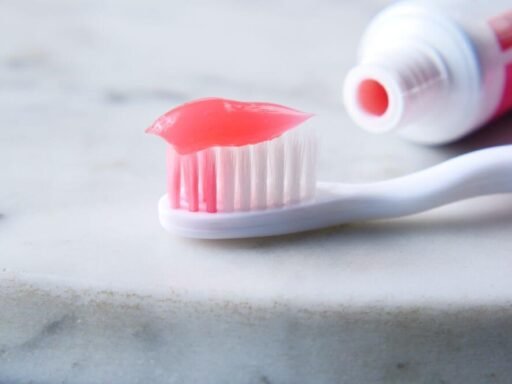
Some high-alcohol mouthwashes result in a “false positive” or very high reading if used right before a test. This is not a matter of systemic intoxication, but it can pose a danger for those who have to provide accurate readings for legal or work purposes.
A breathalyser gives you insight into how long these products remain within your oral cavity. By testing yourself after using such products, you can establish a safe waiting period before the official test. This eliminates the avoidable stress as well as any type of punishment resulting from a basic hygiene practice.
5. Potential Health Issues via Acetone Detection
Certain diseases, like untreated diabetes or being in a state of ketosis, can result in the body producing acetone. In less advanced or older breathalysers, acetone and ethanol can be mistaken for one another, leading to an inaccurate reading for alcohol. Naturally, this is the point at which most up-to-date, high-quality sensors will show a difference between the two compounds.
If regular low readings occur with little to no alcohol ingestion, they indicate a metabolic failure. This way, the breathalyser might act as an accidental health monitoring device, causing the user to consult the professionals.
6. The “Normalisation” of Unsafe Drinking Habits
Some people think they are “under control” for drinking because they can still do things they used to do daily, but a breathalyser gives an honest assessment. It may serve as a warning for someone battling an emerging addiction.
Having a device at home enables private, non-judgmental self-monitoring, which can result in healthier behaviours. It replaces denial with data, thus making it much harder for many to avoid addressing the physical reality of consumption levels.
Taking Control of Your Safety Environment
An alcohol breathalyser is more than a barrier; it is an empowering tool for anyone who cherishes clarity and safety. It highlights the hazards you often overlook, enabling you to use them responsibly and effectively in all areas of your life.
The data from these devices is invaluable if you are a business owner protecting your team or a parent looking out for your family. Buy a high-quality unit, use it regularly, and feel good knowing exactly where you stand. Your safety is worth the time it takes to take the test.